
Virginia and Colorado: Two Victories for Resentencing
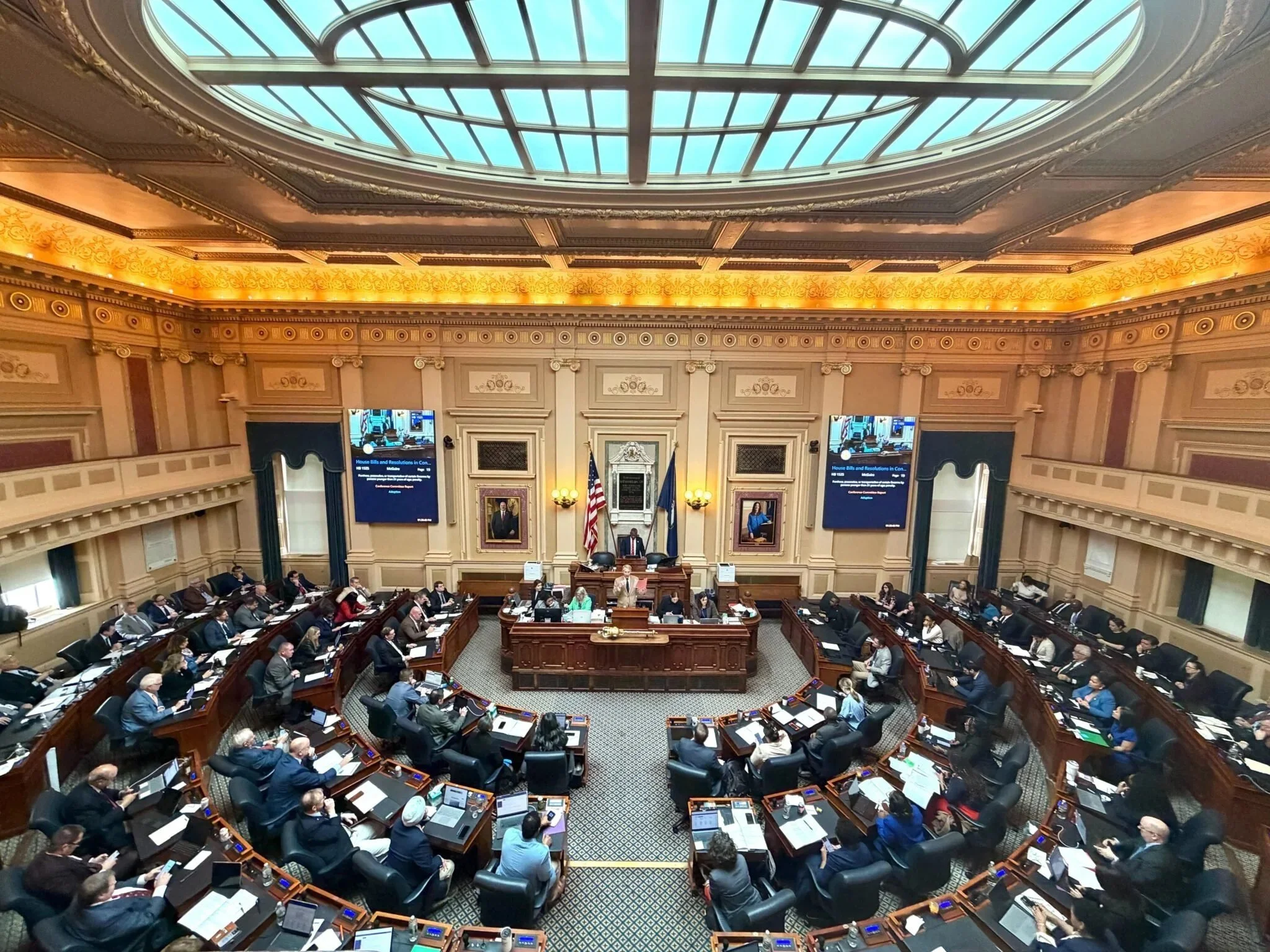
Photo by Markus Schmidt/Virginia Mercury
In the growing movement to reduce excessive sentences and bring people home from prison, two significant victories have emerged from Virginia and Colorado.
In Virginia, Governor Abigail Spanberger has signed House Bill 26/Senate Bill 62, allowing people convicted under marijuana possession laws to seek resentencing. Marijuana was legalized in Virginia in 2021, yet roughly 1,000 people remain incarcerated for conduct that is no longer a crime. Under the new law, eligible individuals will receive automatic hearings to determine whether their sentences should be reduced or modified.
For decades, harsh marijuana enforcement devastated families and communities across the country while disproportionately targeting Black and brown people. As states legalize marijuana, they must confront an unavoidable question: Why are people still behind bars for something that is now legal?
"As laws have changed in Virginia, it is important to ensure that those who have been previously convicted of offenses under since-changed laws receive fair treatment and sentencing review. My administration will work to ensure this process is implemented effectively across the Commonwealth," Governor Spanberger said. "For decades, marijuana enforcement disproportionately impacted minority communities and communities of color, contributing to inequities in the criminal justice system that Virginia must no longer ignore."
The National Council and our sisterhood applaud Virginia's decision to provide automatic hearings. The responsibility for correcting past injustices should not fall on incarcerated people and their families. When the state creates the harm, the state should take responsibility for fixing it. We hope these hearings begin quickly and result in people returning home to their loved ones and communities.
At the same time, Colorado is taking an important step toward addressing another crisis within our prison system: the incarceration of elders.
The Colorado legislature has passed Senate Bill 26-115, a "Second Look" measure that creates a pathway for people age 60 and older who have served at least 20 years of their sentence to seek resentencing. The legislation also allows prosecutors to initiate resentencing for any incarcerated person, regardless of age.
The continued imprisonment of elderly people is one of the clearest examples of a system that too often prioritizes punishment over common sense. Older adults are among the least likely people to reoffend. They have often spent decades incarcerated, transformed their lives, and maintained deep ties to their families and communities. Yet they are also the most expensive population to incarcerate, requiring increasingly complex and costly medical care.
The COVID-19 pandemic exposed what advocates, families, and incarcerated people have long known: prisons are not equipped to provide adequate care for an aging population. Elderly people often cannot access the healthcare they need behind bars, and taxpayers continue to bear the enormous cost of maintaining a system that fails them. More states and the federal government should follow Colorado's lead.
These laws matter for reasons that extend far beyond the people immediately affected.
One of the greatest failures of our criminal legal system is that it provides so few pathways out once someone is inside. Laws change. Sentencing practices evolve. Entire policies are later recognized as harmful, discriminatory, or misguided. Yet people sentenced under those policies are often left behind, with no meaningful way to seek relief. Even when judges and prosecutors agree a sentence is unjust, they frequently lack the legal authority to correct it.
That is why we continue to defend clemency as an essential safeguard. When all other doors are closed, clemency remains one of the last avenues for justice.
But resentencing laws matter too. They acknowledge a truth that too many policymakers are reluctant to admit: the law makes mistakes.
While we continue fighting for the freedom and dignity of all people, we celebrate every effort that creates a path home. Every resentencing law, every second-look provision, every opportunity for review weakens a system built on permanent punishment.
Keep opening the doors.
Keep bringing people home.
To continue to support The National Council as we work to end the incarceration of women and girls CLICK HERE.