
The Abolitionist Book Club (June Read): The Women’s House of Detention: A Queer History of a Forgotten Prison
Welcome to The Abolitionist Book Club. Each month, TNC members select books and vote on which one will be read the next month. The scope is to select books and engage in meaningful online conversations that challenge how we think about prisons, punishment, and what justice could look like beyond incarceration.
For Pride month, we read a book that explores a forgotten chapter of queer history and women's incarceration. It asks readers to examine the history of LGBTQ+ liberation alongside that of women's imprisonment in the United States.
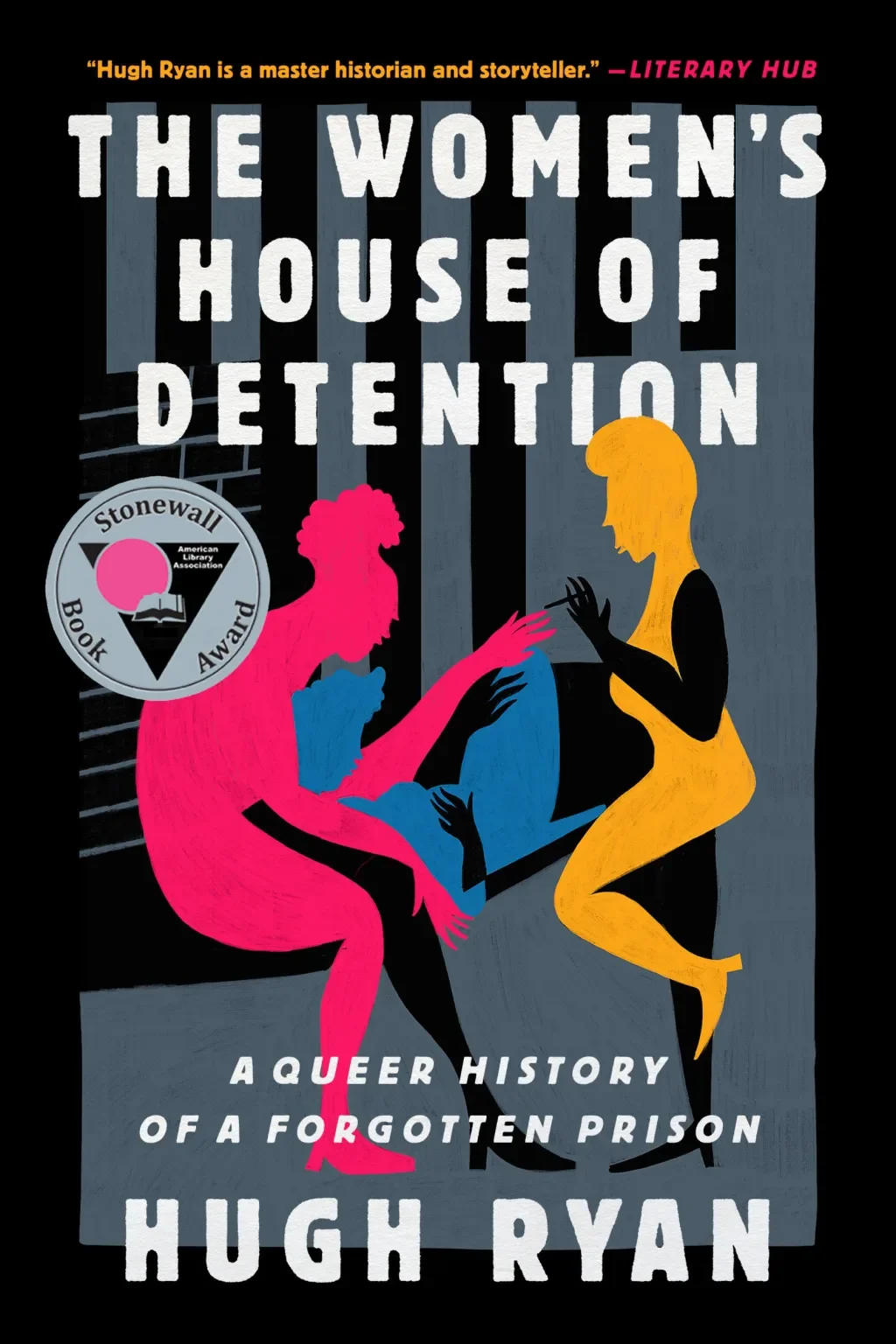
The Women's House of Detention: A Queer History of a Forgotten Prison by Hugh Ryan
In the heart of Greenwich Village, just a short walk from the Stonewall Inn, sits the Jefferson Market Garden. Visitors see flowers, benches, a koi pond, and a small plaque. What most people do not realize is that this peaceful space was once home to the Women's House of Detention, a prison that confined thousands of women and gender nonconforming people between 1929 and 1974.
Today, that plaque is one of the only reminders that the prison ever existed.
Hugh Ryan's The Women's House of Detention brings this history back into view. Through the stories of the women and transmasculine and gender nonconforming people imprisoned there, Ryan fills important gaps in both queer history and the history of women's incarceration in the United States.
Why We Chose This Book
Many conversations about incarceration begin with the War on Drugs and the mass incarceration of Black men. Those conversations matter, but they are only part of the story.
Ryan examines how women, especially Black women, queer women, poor women, and gender nonconforming people, have long been targeted by systems of policing and imprisonment. Through personal accounts, archival research, and historical records, the book explores how incarceration has been used to punish poverty, addiction, mental illness, and people who did not fit society's expectations of gender and sexuality.
As Ryan writes:
"When I began sketching out the idea for this book five years ago, I had a naive understanding that prisons were bad, and should be made better. I might have even described them as 'broken.' But to look at prisons historically is to see a monstrously efficient system doing exactly what it was designed to do: hide every social problem we refuse to deal with."
Rather than telling the story of a single prison, Ryan asks readers to consider why prisons exist, whom they have historically been used against, and what alternatives might look like.
Stories That Stay With You
One of the book's strongest parts is its focus on people rather than institutions.
Readers meet well-known figures such as Angela Davis, Afeni Shakur, and Andrea Dworkin. Just as important are the stories of people history nearly forgot.
There is Elaine B., who was arrested for "vagrancy prostitution" after building a life for herself in New York's queer community. She endured invasive medical examinations and was falsely diagnosed with gonorrhea, something that affected the rest of her life.
There is also "Big Cliff" Trondle, who refused to wear women's clothing in court or answer to a name that was not his own. His refusal to conform led to imprisonment instead of understanding.
These stories show how prisons have often been used to enforce social norms rather than simply respond to criminal behavior.
Why This Matters During Pride Month
One of the book's central themes is the connection between queer liberation and prison abolition.
The people imprisoned inside the Women's House of Detention were not separate from the movements happening outside. They were part of them. During the years surrounding Stonewall, incarcerated women shouted messages of solidarity from their windows and took part in acts of resistance that have too often been left out of the historical record.
Ryan reminds readers that queer history is also prison history.
That history remains relevant today as LGBTQ+ people, especially transgender people, continue to face disproportionate criminalization, isolation, and violence while incarcerated.
What This Means for Abolition
Ryan's research raises an important question. Have women's prisons ever truly been about rehabilitation?
Across decades, the same patterns appear. Overcrowding. Medical neglect. Invasive searches. Solitary confinement. Repeated promises of reform that disappeared once public attention moved on.
Much of it feels familiar because many of those same patterns continue today.
The book also shows how ideas about "proper" womanhood have long been shaped by race, class, and sexuality. Black women and gender nonconforming people were disproportionately targeted, demonstrating how incarceration has always intersected with white supremacy, patriarchy, and economic inequality.
At the same time, Ryan does not portray incarcerated people as passive victims. Throughout the book, we see organizing, resistance, mutual aid, and community inside the prison. The people imprisoned in the House of D helped shape movements for queer liberation and social justice, even if history often ignored their contributions.
For anyone interested in abolition, this book offers an opportunity to think critically about reform. Prisons have been renovated, renamed, and reformed many times. Ryan asks whether those reforms have changed the institution's purpose.
Join the Conversation
We hope you'll add The Women's House of Detention to your reading list and join this month's discussion by emailing us at: info@thecouncil.us “Subject: June Read”.
As you read, we'd love to hear your thoughts.
What systems or patterns in women's incarceration have persisted across the twentieth and twenty-first centuries?
What has changed? What has stayed the same?
How does this book deepen your understanding of the relationship between queer liberation and abolition?
Which stories stayed with you after you finished reading?
What does this history ask of us today?
To continue to support The National Council as we work to end the incarceration of women and girls CLICK HERE.